


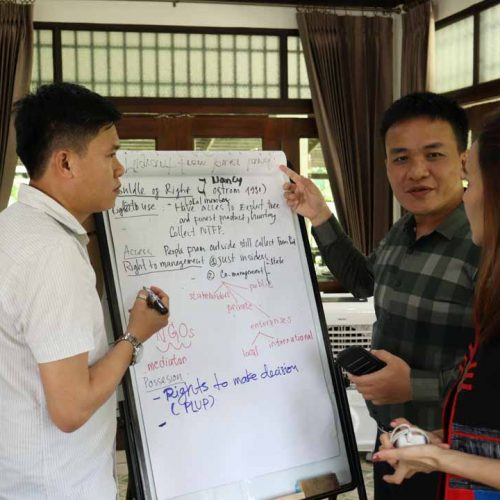
Strengthening Global Partnerships Through Multi-Stakeholder Engagement
Chiang Mai University (CMU) has established a robust framework of collaborations with non-governmental organizations to collectively address the Sustainable Development Goals, positioning itself as a leader in SDG 17 (Partnerships for the Goals) implementation. These strategic partnerships span across multiple sectors and illustrate CMU’s commitment to fostering multi-stakeholder engagement for sustainable development.
The university’s collaborative approach directly addresses THE Sustainability Impact Ratings 2026 metric 17.2.5, which evaluates higher education institutions’ collaborations with NGOs to tackle SDGs through student volunteering programs, research initiatives, and development of educational resources.
International Cooperation Through Strategic NGO Partnerships
 |
|
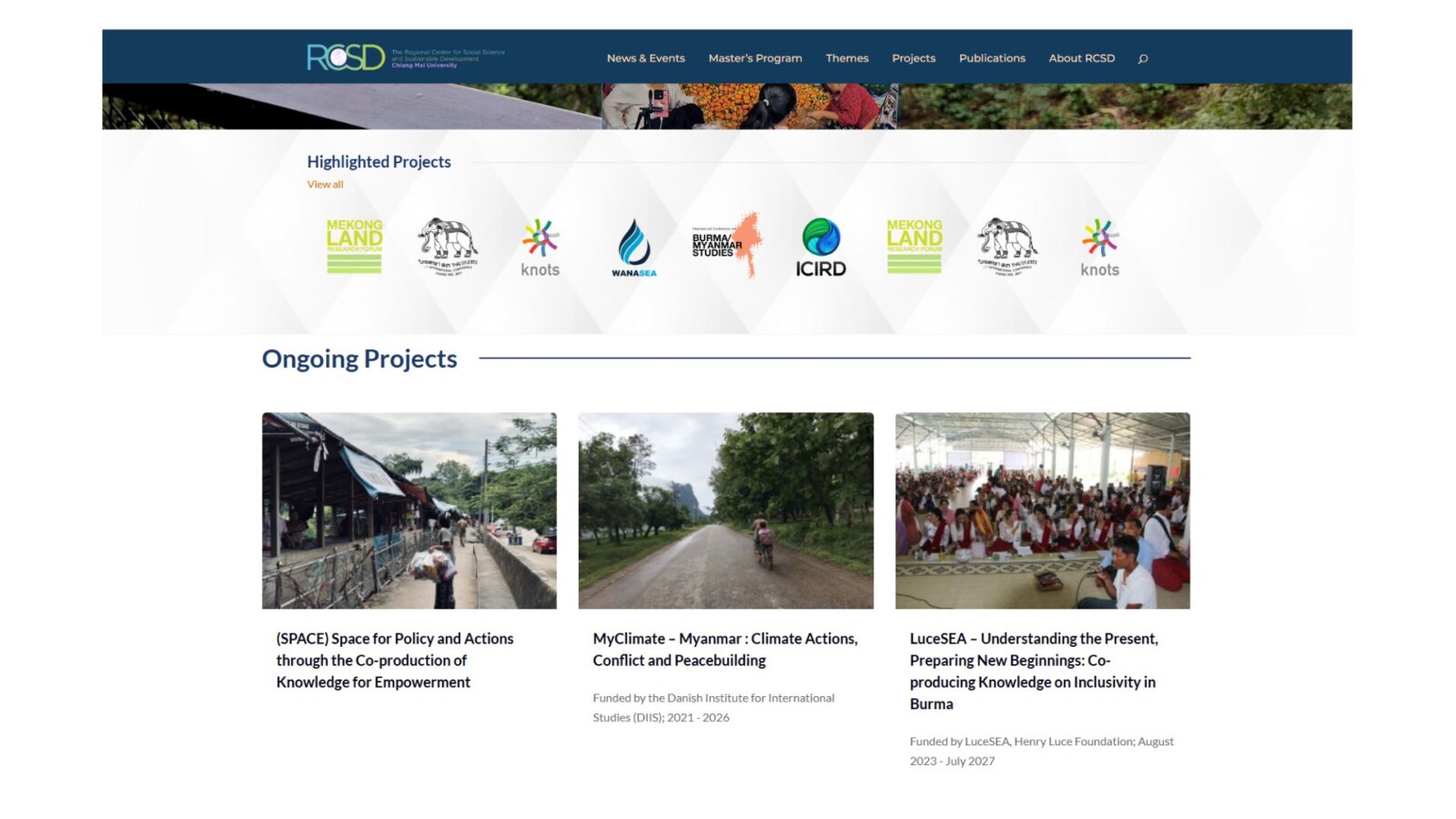 |
CMU has formalized several high-impact partnerships with international NGOs that strengthen global governance frameworks and enhance policy coherence for sustainable development. A significant recent collaboration is with Norwegian People’s Aid (NPA), a humanitarian organization operating in over 30 countries that promotes human rights, democracy, and social justice.
The partnership between CMU’s Regional Center for Social Sciences and Sustainable Development (RCSD) and NPA exemplifies effective North-South cooperation, focusing on addressing the specific needs of marginalized communities while promoting equality, participation, and community empowerment—key tenets of sustainable development.
Similarly, CMU’s Faculty of Political Science and Public Administration has established a productive partnership with the Konrad Adenauer Foundation, facilitating cross-sectoral dialogue on geopolitical challenges and sustainable development priorities. This collaboration brings together diplomatic representatives, academics, and civil society organizations to share knowledge and strengthen capacity building initiatives.
Localized Development Cooperation Through Regional Partnerships
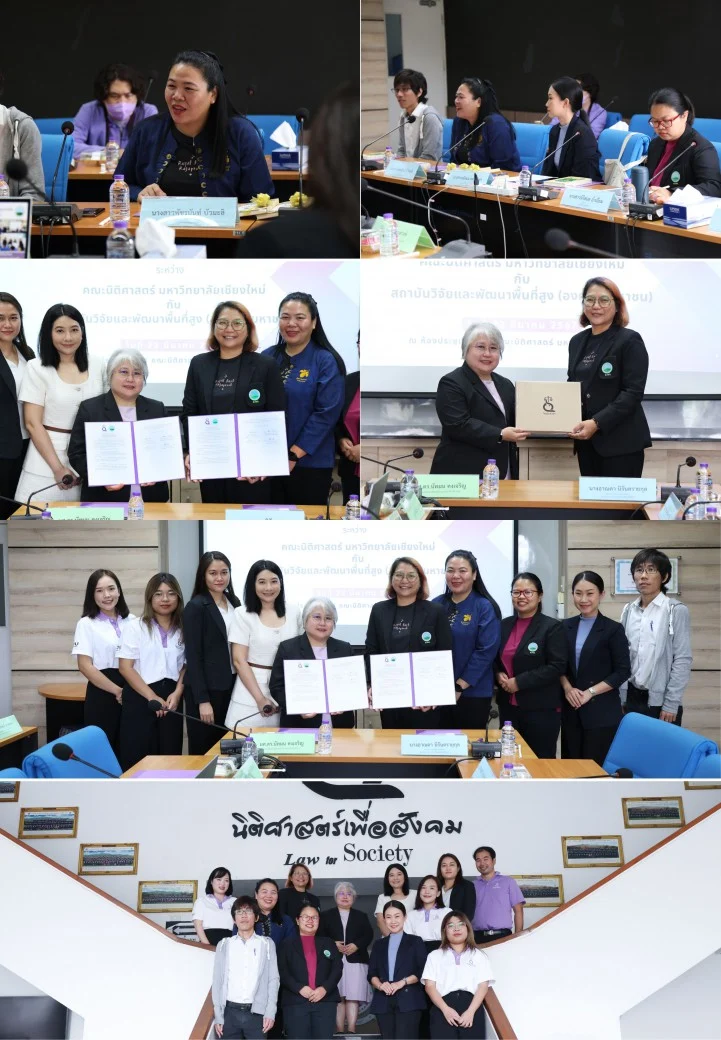
On the regional front, CMU has partnered with the Highland Research and Development Institute (HRDI) to provide legal consultation services to highland communities. This collaboration exemplifies how triangular cooperation between academic institutions, public organizations, and local communities can enhance access to justice and promote inclusive institutions—directly contributing to SDG 16 while strengthening SDG 17 implementation.
“These partnerships are essential for creating inclusive and sustainable development pathways,” notes Associate Professor Dr. Wasant Panyakaew, Dean of the Faculty of Social Sciences. “By combining academic expertise with NGOs’ field experience, we’re creating a powerful platform for knowledge sharing and technology transfer.”
Environmental Sustainability Through Collaborative Initiatives
 |
 |
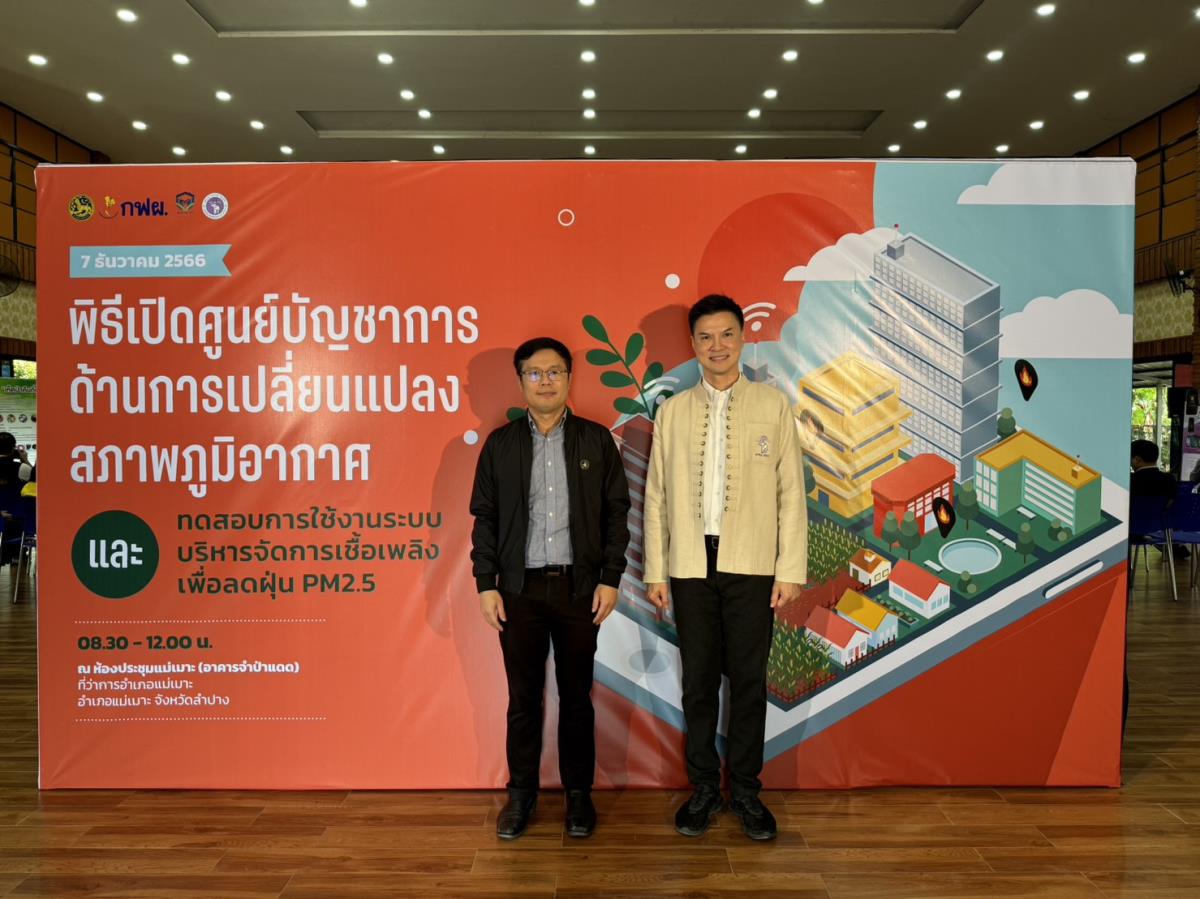 |
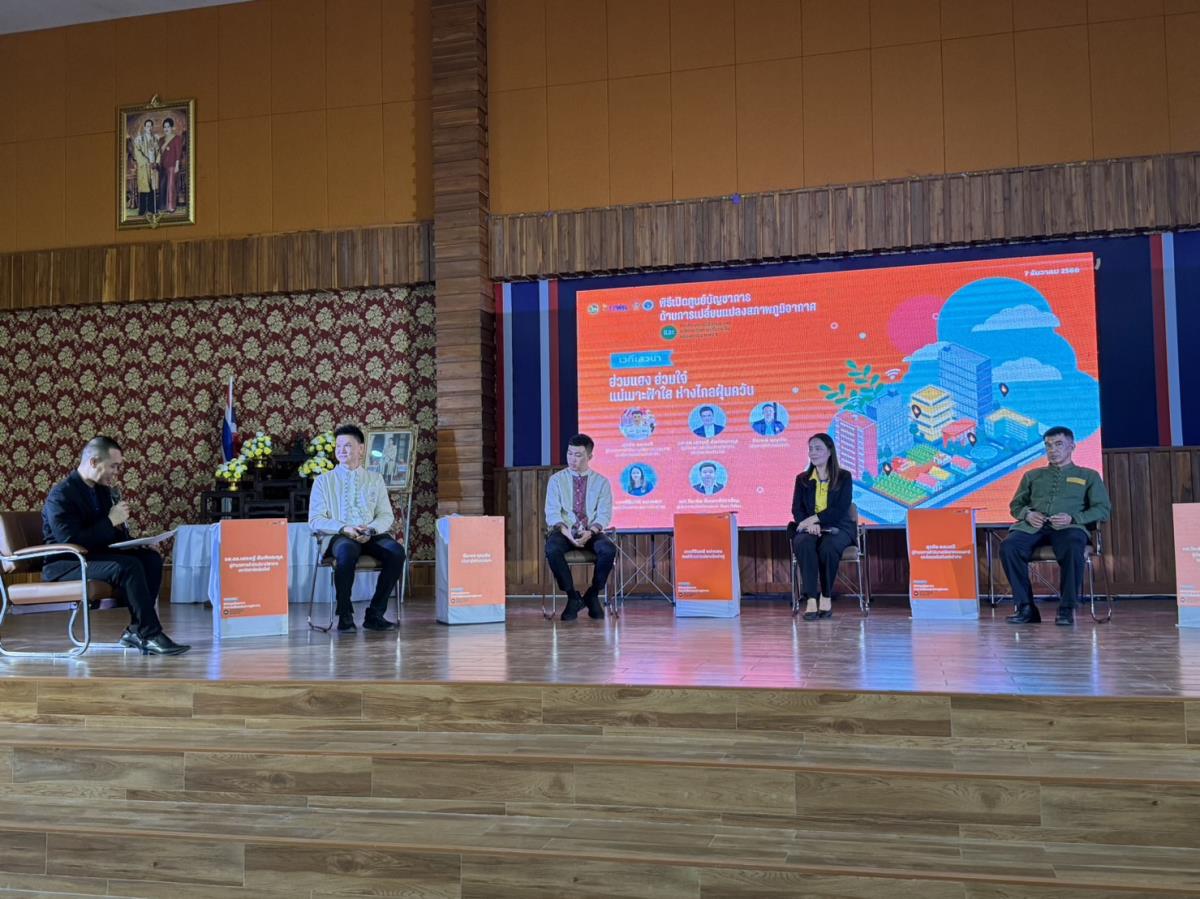
The Chiang Mai Model is a collaborative framework to tackle PM2.5 pollution by shifting from strict “Zero Burning” policies to participatory Fire Management, integrating local communities, government, and academic institutions. It emphasizes data-driven solutions like the FireD application, fuel management, and ecosystem-based forest zoning. Chiang Mai University plays a vital role by providing academic expertise, research, and technological support, including air quality monitoring and knowledge-sharing platforms. CMU also partners with local organizations to strengthen community resilience, linking scientific innovation with practical action. This integration ensures solutions are not top-down but rooted in local participation and sustainable development
Through these diverse and impactful NGO collaborations, Chiang Mai University demonstrates its comprehensive commitment to SDG 17, creating a model for how higher education institutions can leverage partnerships to accelerate sustainable development and build a more equitable global future.
Source :